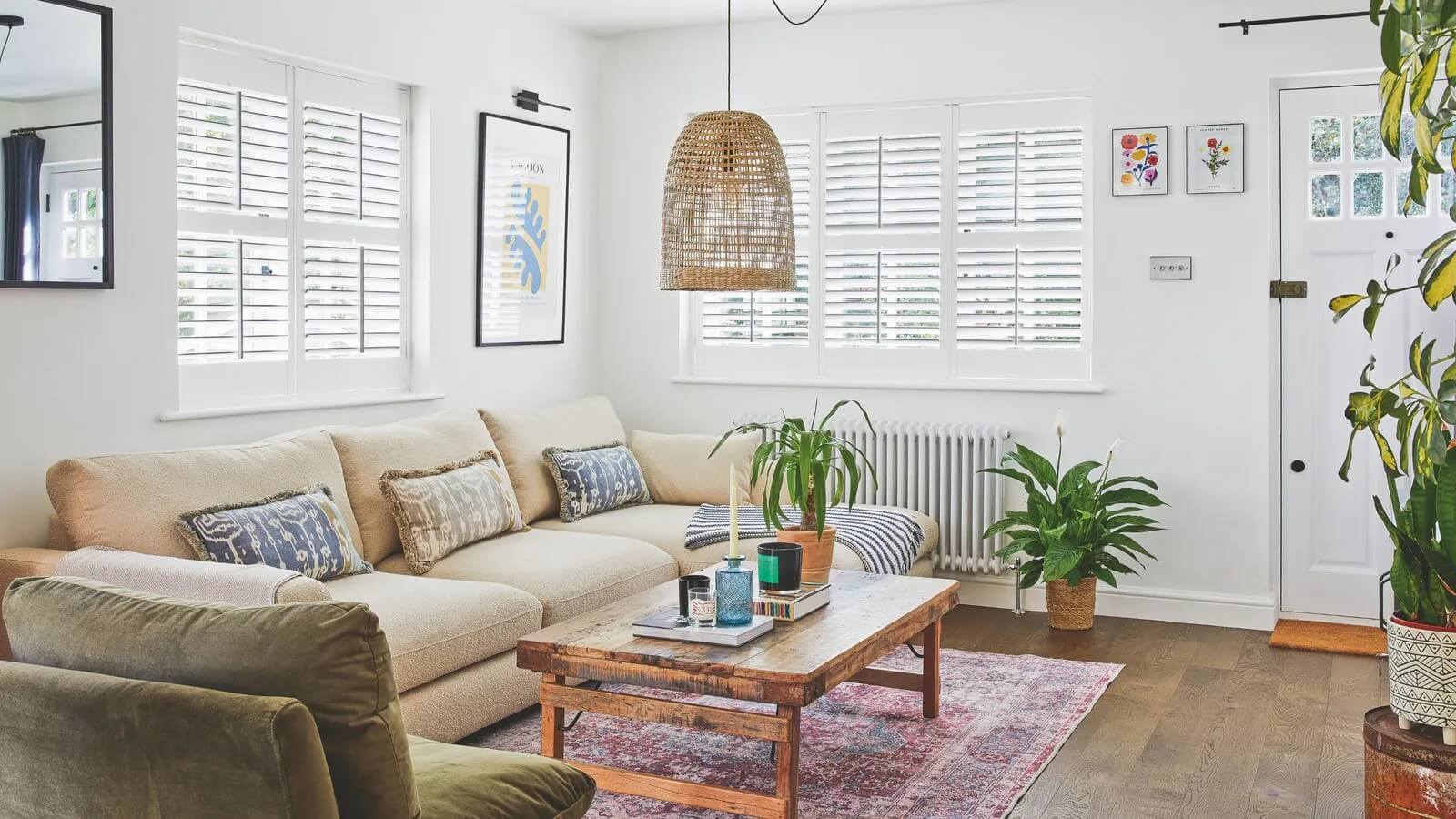
Would you like to know How to Style and Hide Everyday Clutter in Plain sight?
I mean a scenario where there are neither remote controls fanned out on the coffee table, nor a mail pile colonizing the kitchen counters, nor charger cables snaking across the floor. Can you imagine the calming feel in such homes?
In your mind, you might convince yourself that it’s because so-and-so owns fewer items than you do that their spaces feel and look organized and tidy. But that’s not the case. The secret is that they have designed their space so that everyday chaos has somewhere to disappear without leaving clutter on the floor.
You see, even the smallest amount of clutter can negatively affect your day-to-day life. According to psychology research published by the Princeton University Neuroscience Institute, clutter in your visual field makes it harder for your brain to concentrate on a single task. This is because it has to process all that unnecessary information first (the clutter). That’s why a messy counter makes you feel frazzled, and you wonder if you are being dramatic.
So, let’s take a look at how styling and hiding everyday clutter in plain sight help bring calm to your space.
Tips on How to Style and Hide Everyday Clutter in Plain Sight
Use a Landing Strip to Replace the Junk Drawer
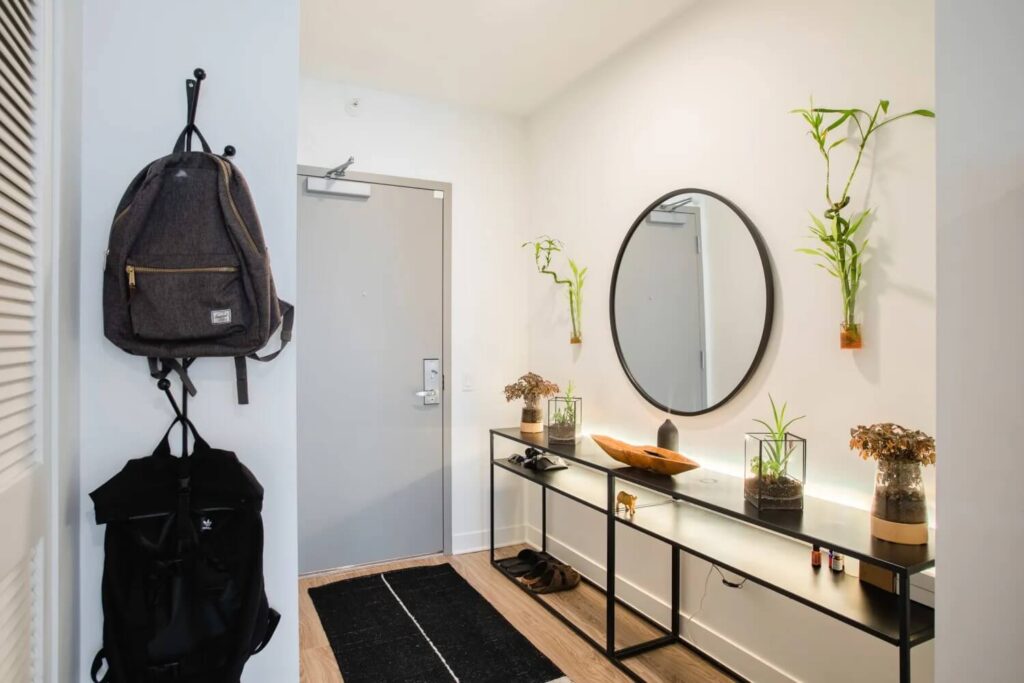
Every home has a spot where stuff piles up the moment you walk through the door. Items such as keys, mail, sunglasses, a stray hair tie, that one receipt you meant to file three weeks ago, all sprawling all over.
You give your best to keep things in order, but it’s always exhausting and, frankly, a losing battle.
To win this battle, you need to have a shallow tray, a lidded basket, or a small drawer near the door where you can toss everything in without a formula. Whichever you choose, ensure it matches your space so that it reads as furniture, not storage.
This acts as a holding pattern for your belongings rather than a demand that everything be perfectly organized the moment it enters your home.
Let Furniture Do Double Duty
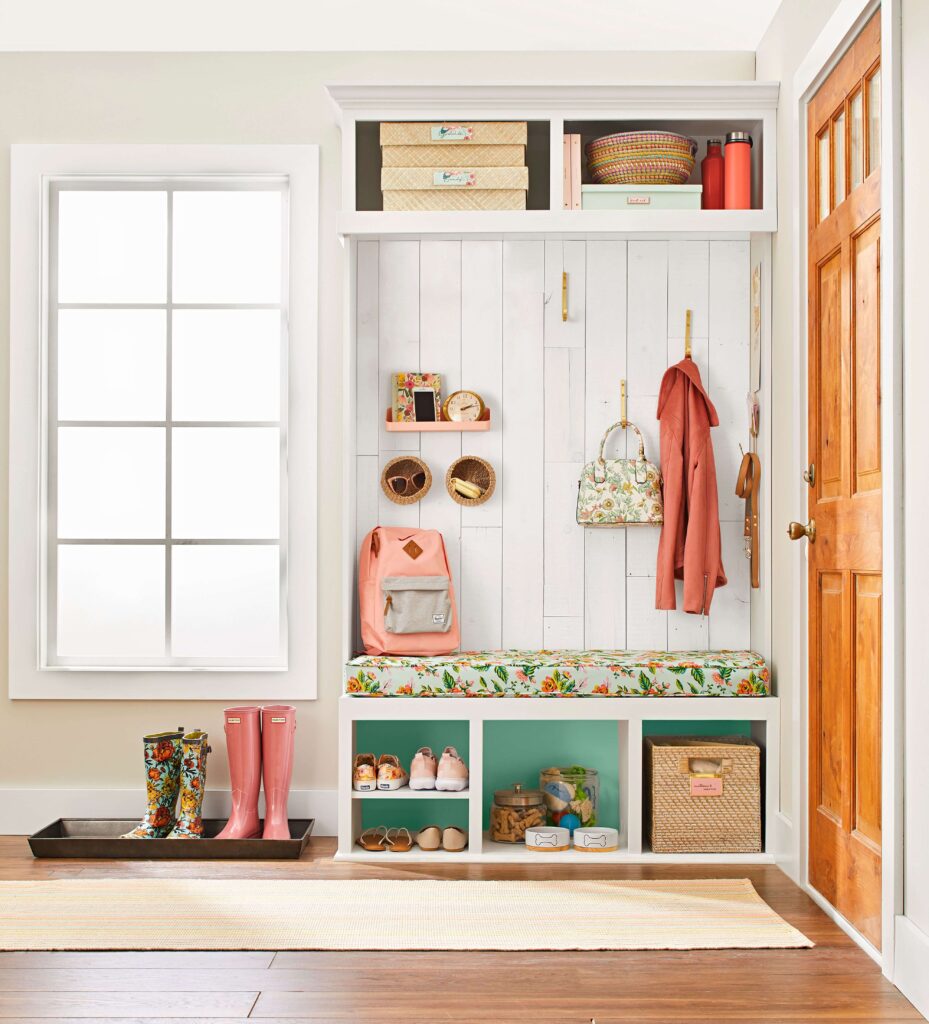
If a piece of furniture only does one job, it’s leaving storage on the table. I would suggest using ottomans that open up, coffee tables with a lower shelf, benches with hidden compartments, bed frames that lift to reveal space underneath, etc.
All these pieces let you hide blankets, remotes, chargers, and stray toys without adding a single extra piece of furniture to the room.
This is more useful in smaller homes, where every square foot matters, but it’s just as useful in bigger spaces where clutter tends to spread out and claim more territory. A living room with a storage ottoman can absorb an entire coffee table’s worth of mess in seconds. Therefore, you have no worries with the arrival of an announced guest. You lift the lid, drop everything in, and suddenly you’re the kind of host whose house always looks organized.
Use the pieces you already own before buying new ones. For instance, a console table with drawers, a media stand with doors instead of open shelves, or a headboard with built-in cubbies. Once you take that route first, you’ll realize that you already have more hidden storage potential in your home.
Read more about ‘17 Stylish Storage Ideas for Small Spaces’
Group Small Things into Bigger Ones
A charging cable on a nightstand looks messy. Right?
Consider using a small tray to hold the cable and other items, such as a lamp and a candle, for a more stylish look. When dealing with clutter, it’s about whether those objects look like they belong together or like they landed there by accident. It’s not about the number of objects in a space.
Trays, bowls, and baskets are basically visual glue; they take a handful of unrelated items and turn them into a grouped object to reduce clutter. Moreover, a bathroom counter with loose toiletries scattered around reads as messy, but the same toiletries corralled into a simple tray suddenly look curated just by a simple move.
Grouping similar items, whether by category, color, or container, gives your eye fewer individual things to register and helps you to Style and Hide Everyday Clutter like a designer.
Use the ‘Beauties’ to Hide the ‘Ugly Ones’
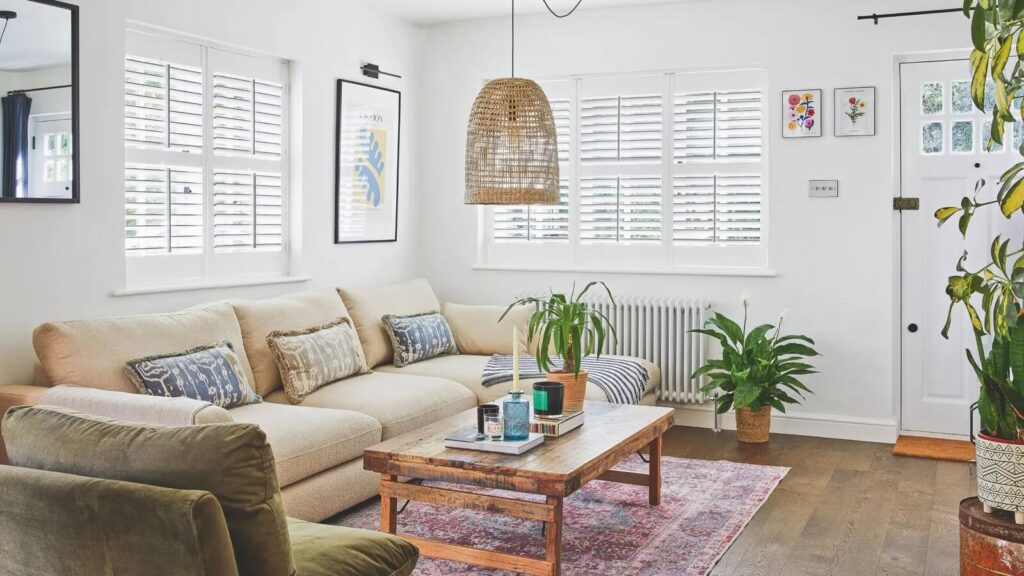
In this case, use the art of camouflage instead of tucking everything away in a drawer.
Take, for example, a router that sits exposed on a shelf looking out of place hidden inside a decorative box with a few drilled holes, you block the ‘ugly’ view of it. It’s the same case with a stack of remotes on the coffee table when you put them in a small decorative bowl to hold them just as easily, minus the visual clutter.
You can also use a piece of art you already have to block a power socket that looks ugly.
Wondering about cord management?
Cord management falls into this category too. Use cable clips along the back of a desk, a cord sleeve that bundles the wire into one tidy tube, or a simple binder clip on the edge of a table to stop chargers from sliding onto the floor.
The beauty of this trick is that it’s easy and affordable to install.
Use Color-Texture Distraction Technique
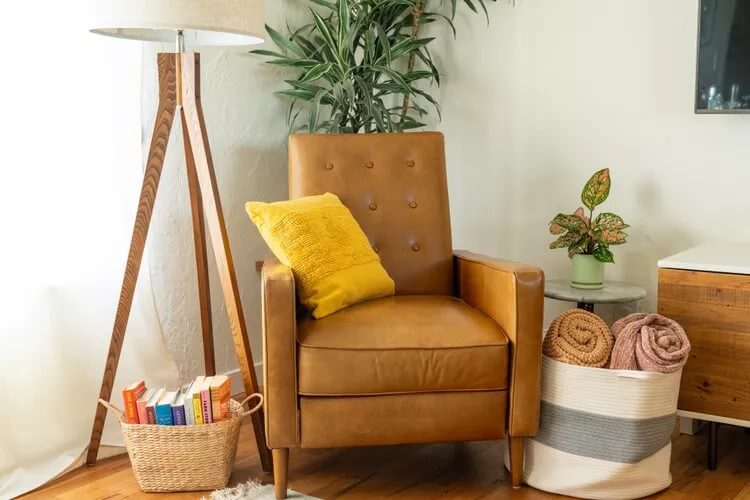
A room with a strong, cohesive color palette pulls attention toward the overall feeling of the space rather than any single object within it. Clutter becomes less noticeable when everything around it shares a similar tone or texture, because your eye reads the room as a whole instead of cataloging every item individually.
Take, for instance, a bookshelf with mismatched paperbacks versus one where the books are grouped by color or turned spine-in. The second version looks well put even though the mess underneath hasn’t changed. The same logic applies to baskets, throw pillows, and blankets.
Choose a few colors, stick with them, and your space will feel pulled together even on days when it technically isn’t. That’s a secret most stylists can swear by.
Texture works the same way. A woven basket, a linen throw, and a wooden tray in the same corner form a cozy vignette.
When you give your eye a pattern to follow, it ignores the small imperfections hiding underneath.
Rotate What’s on Display
You don’t have to display every single item you own at once. Books, decor, kids’ toys, and kitchen gadgets can all take turns being out in the open instead of competing for space simultaneously.
Try storing half your decorative objects in a closet and swapping them out seasonally. Rotate your kids’ toys so only a handful are accessible at a time.
Additionally, store extra kitchen gadgets and pull them out only when you actually need them. Not only does this reduce visual noise, but it also makes the display feel more special.
Every Category Must Have a Home Before You Buy More Storage
It’s tempting to solve clutter by buying more storage, for example, baskets, bins, and shelving units. But if you don’t have a system, it is just clutter with better packaging. Before you buy anything, figure out where each category of item belongs.
For example, where would you like the chargers to be located? What about the mail? And where do the kids’ art projects end up once they’re proudly displayed for a week and then quietly retired?
Once you know the answer, the right container becomes obvious, and you’ll probably need fewer of them than you think.
Conclusion
The aim of having a clutter-free home is about the little relief when you are not worried about misplacing something and being forced to look through clutter to find it. It’s also about the general organization of your house and the comfort that it offers.
I have shared with you the most basic, simple, and affordable ways on How to Style and Hide Everyday Clutter in Plain Sight for any home. Start with what you have so as not to have more clutter to sort.
Remember, the tips that I have shared should not limit you from being more creative, and share with us your progress plus new ideas in the comments.
Featured Image: Ideal Home