There’s a funny thing about coffee tables. They’re usually the most ignored surface in the room, yet they sit right in the middle, quietly influencing everything around them.
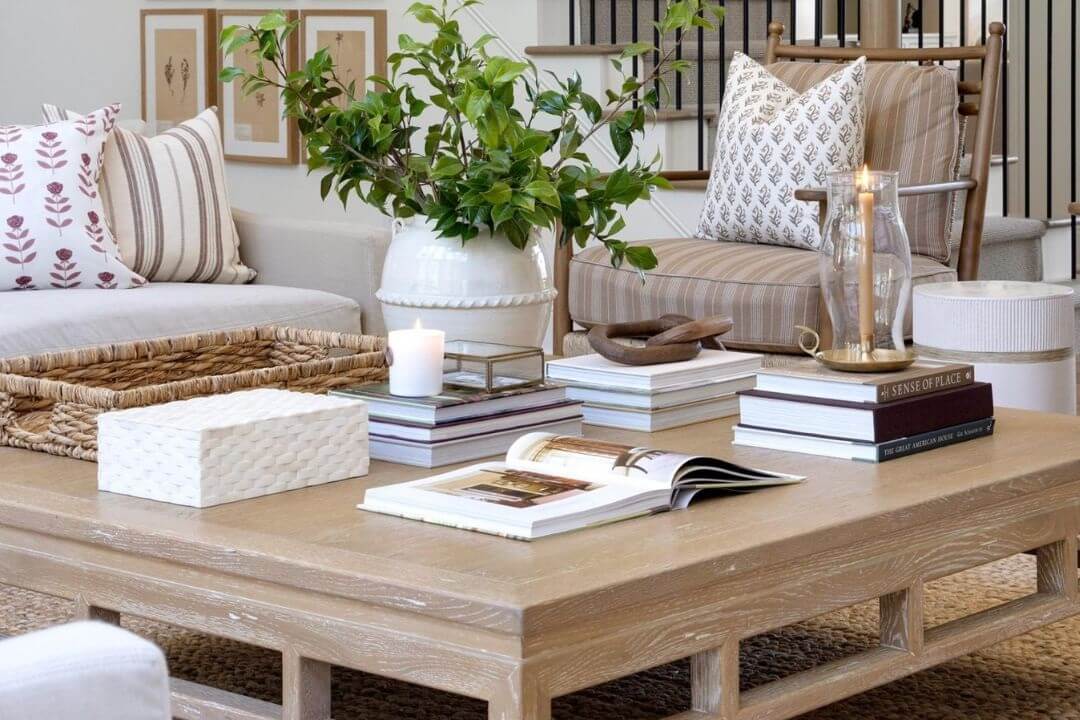
But for most designers, coffee tables are tiny stages. And with a few carefully chosen pieces, some breathing room, and a bit of height variation, the whole living room suddenly feels intentional.
The magic isn’t about buying expensive decor. It’s about editing. When a coffee table works, it feels relaxed and thoughtful, as if someone casually tossed things down and somehow it all landed perfectly. That “effortless” look is rarely accidental. It’s built on a few simple ideas that anyone can use.
Below are ideas for styling a coffee table like a designer.
Start with the Empty Table
It’s tempting to style around what’s already there, but clearing the table first changes how you see the space. An empty surface resets your eye. It helps you notice scale, shape, and the room you actually have to work with.
This is an important step because coffee tables collect clutter more often. Items such as remotes, receipts, and used mugs always creep in. That’s the reason why starting fresh forces you to choose only what deserves to stay.
The takeaway is simple: edit before you decorate. Styling is mostly about what you leave out.
Think in Layers, Not Objects
Designers rarely place items in ones, but they build layers. For instance, a tray anchors the arrangement, a book adds height, and a small object creates contrast; suddenly, the grouping feels cohesive.
Layering works because it directs the eye towards a specific point. Without it, everything sits flat and disconnected. Try stacking two or three books, then place something sculptural on top. Furthermore, add a tray nearby, not centered, just slightly offset. The table begins to look composed, not scattered.
The Rule of Three Still Works
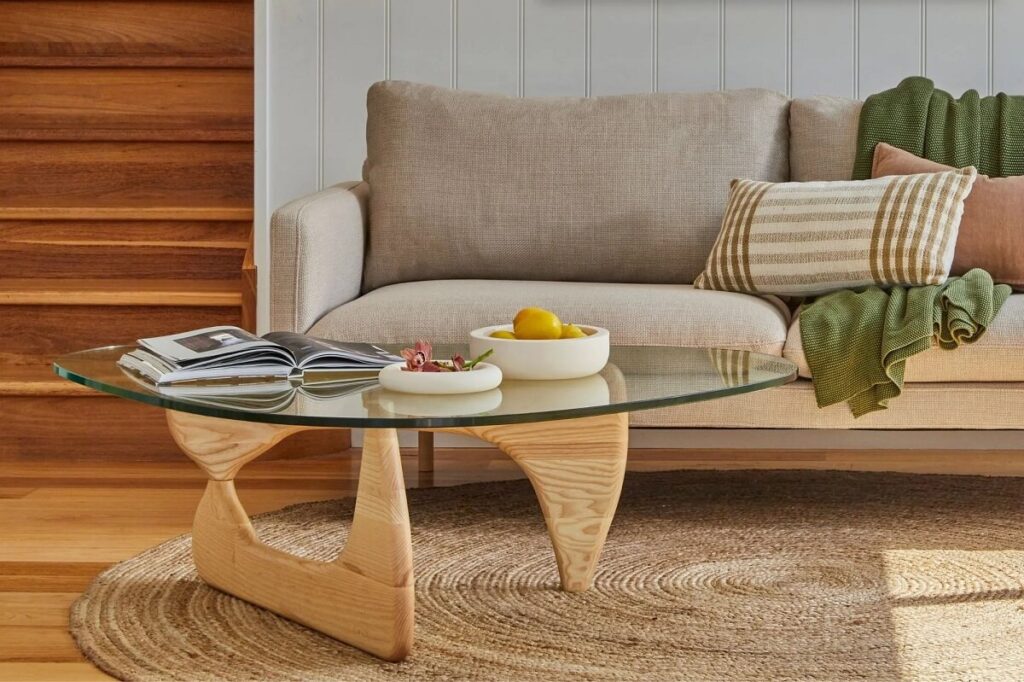
There’s a reason designers love groups of three. Odd numbers feel natural and less rigid. They create movement without looking forced.
But does it mean you count obsessively? No!
Make it your goal to create balance, nevertheless. You can have a stack of books, a small plant, and a decorative object. This often feels just right. Three elements give enough variety without overwhelming the surface. If the table feels crowded, remove one piece and see what happens.
Height Variation for Instant Interest

Flat styling is the fastest route to making a table look dull. When everything is the same height, the arrangement blends. But slight height variations create depth.
Therefore, consider using books as lower layers, a candle for mid-height, and something taller, e.g., a vase or a branch, to draw the eye upward. Even a subtle shift in height can make the table feel more dynamic.
Always go for skyline decor setups, not plateau.
Add some plants and Flowers

Rooms feel better with something alive in them. A small plant, fresh flowers, or even a simple branch softens the arrangement. It brings movement and a hint of unpredictability.
According to Greater Good Magazine, indoor plants, including those discussed by environmental psychology researchers, can improve mood and reduce stress.
Even though a tiny plant on a coffee table won’t transform your life, it can make the space feel calmer and more welcoming.
That’s a reason enough. Isn’t it?
Use Books for Function and Style

Coffee table books aren’t just decorative. They’re invitations. They give guests something to flip through, and they say something about your interests without trying too hard.
Choose books with interesting covers, but also ones you’d actually read. Stack two or three, not a towering pile, and rotate them occasionally. Changing books is one of the easiest ways to refresh the entire room without buying anything new.
Make use of the Quiet Power of Trays
If your table feels chaotic, a tray will solve more than you’d expect. It groups items and makes the arrangement feel intentional.
Even everyday objects, like coasters or a candle, look curated when they are in a tray.
Trays also keep things practical. You can lift the whole grouping at once when you need space. That flexibility matters because coffee tables still need to function.
Your coffee table setup should never make the table unusable.
Even in my blog post on Entryway Storage Ideas That Look Good and Work, I’ve suggested using trays on console tables for small decor changes with a big impact.
Leave Breathing Room
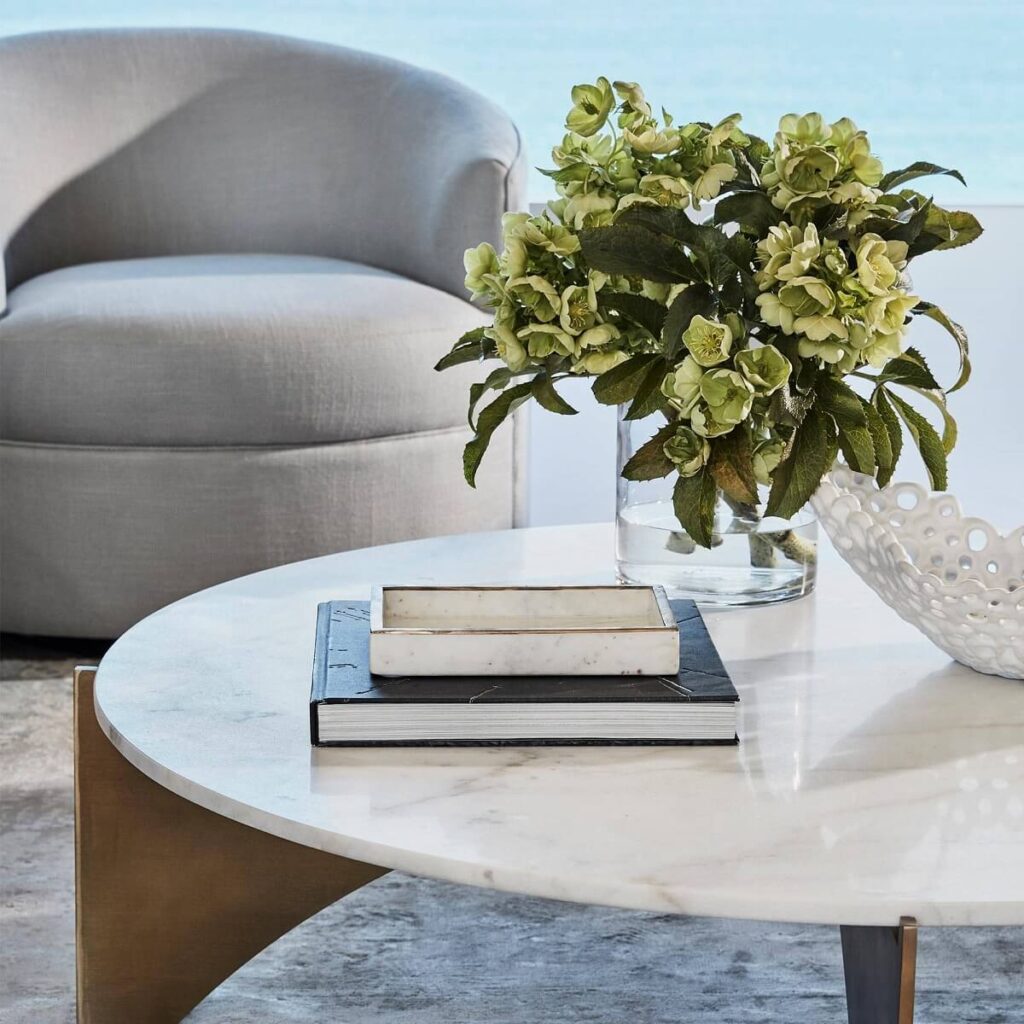
One of the hardest things to do is stop adding. That’s why most designers often leave part of the table empty on purpose. The negative space gives the arrangement room to breathe.
An overcrowded table feels stressful, even if each item is beautiful. When you step back, ask yourself if the eye has a place to rest. If not, remove something.
The table should feel calm, not busy.
Mix Textures for Depth

Texture is what makes a styled table feel layered and interesting.
Think of a glossy ceramic vase next to a woven tray, a stack of matte books, or maybe a metallic object. The contrast adds richness without needing more items.
This approach works because texture adds subtle variety without needing bold colors or large pieces. Small differences, rough vs. smooth, soft vs. hard, together they create a visual depth.
Make It Personal, But Not Overly Literal
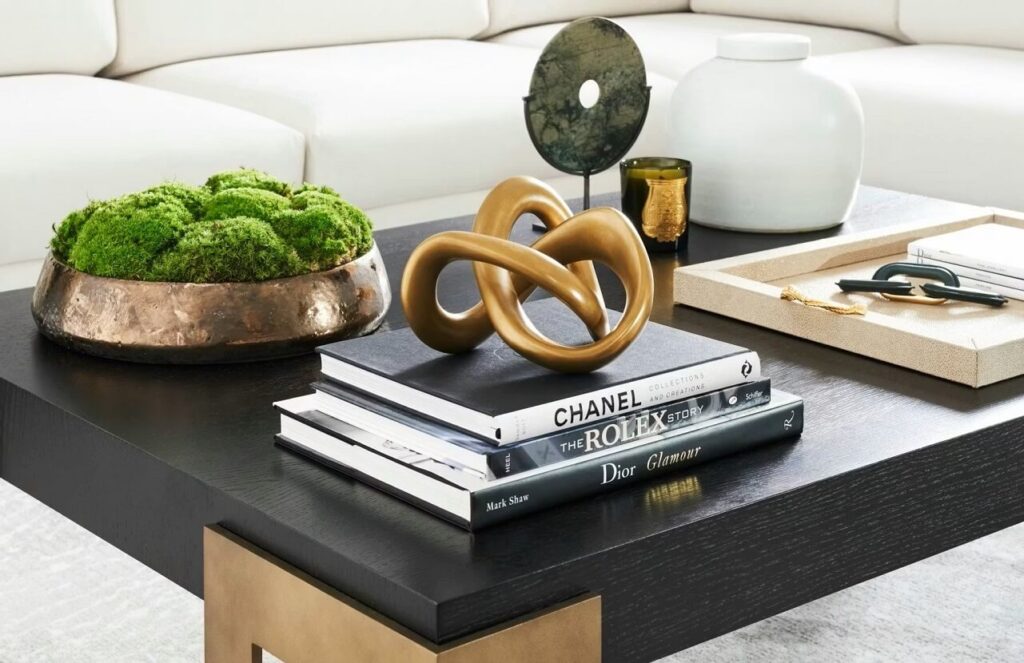
The best styled tables include something personal. For example, a small travel souvenir, a handmade bowl, or a quirky object that sparks conversation. These pieces give the table personality.
You, too, have something personal. An item that spells out who you are at an instant. Why not add that to your coffee table?
The trick here is restraint.
Don’t get tempted to add more items. One meaningful item feels intentional. Five start to look like clutter. Therefore, choose something that makes you smile, then let it stand out.
If you have several items you’d love to display, use that advantage to rotate the objects for a fresher display.
Consider the Shape of Your Table
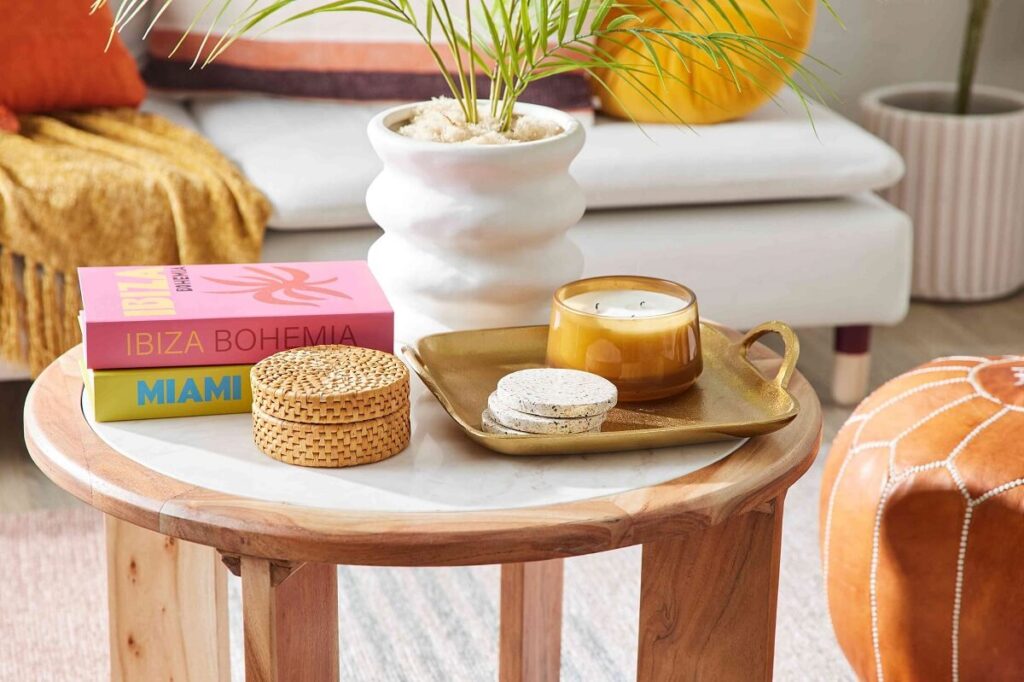
Round tables benefit from curved arrangements, while rectangular tables often look better with slightly off-center groupings. Matching the layout to the shape helps everything feel balanced.
For example, a round tray works beautifully on a square table because it softens the edges. On a long rectangular table, try two smaller groupings instead of one central cluster. The styling should echo the table’s proportions.
Keep Function in Mind
A coffee table isn’t just for looking at. People rest drinks, put down phones, maybe kick up their feet. So, as you style a coffee table, keep that in mind. Always leave enough space for real life.
This balance between style and practicality is what makes designer styling feel effortless. It looks good, but it also works. If you constantly have to move things, the arrangement needs to be changed.
Refresh with the Seasons
Coffee table styling doesn’t have to stay the same. Swapping a few elements keeps the room feeling fresh.
Ever thought of lighter textures in warmer months, deeper tones when it’s cooler, maybe fresh flowers instead of greenery? If not, give it a try, and I bet you’ll fall in love with what you get.
These small changes prevent the space from feeling static. You don’t need a full redesign. Just rotate a few pieces, and the table feels new again.
Conclusion
And that is how to style a coffee table like a designer. The quiet secret behind designer styling is being intentional rather than being perfect.
A beautifully styled coffee table is about intention rather than perfection. When every item earns its place, nothing feels accidental, and there’s enough space left for life to happen.
When that balance clicks, the whole room changes. The coffee table becomes less of a surface and more of a mood. And once you notice that shift, you start seeing every surface differently, not as clutter magnets, but as opportunities to create small, thoughtful moments that quietly shape how a room feels.